
• PSC, Patia, Bhubaneswar, Odisha 751024
  • Sankarpur Barik sahi, Link Rd, Shankarpur Colony, Cuttack, Odisha 753012
  • 079781 21525
  • pragnyaspeechcenter@gmail.com

Dyslexia:

Dyslexia is a learning disability that impacts reading and language processing. People living with dyslexia may struggle to read fluently, accurately, and with good comprehension – these difficulties aren’t related to intelligence; many individuals living with dyslexia tend to be highly creative problem-solvers and incredibly resourceful thinkers.
Speech-language therapy (SLT) plays an integral part in supporting individuals living with dyslexia. A speech therapist (SLP) specializes in strengthening underlying linguistic and phonological abilities that make reading possible.

  • Speech therapy can assist individuals by engaging them in structured and stimulating activities;
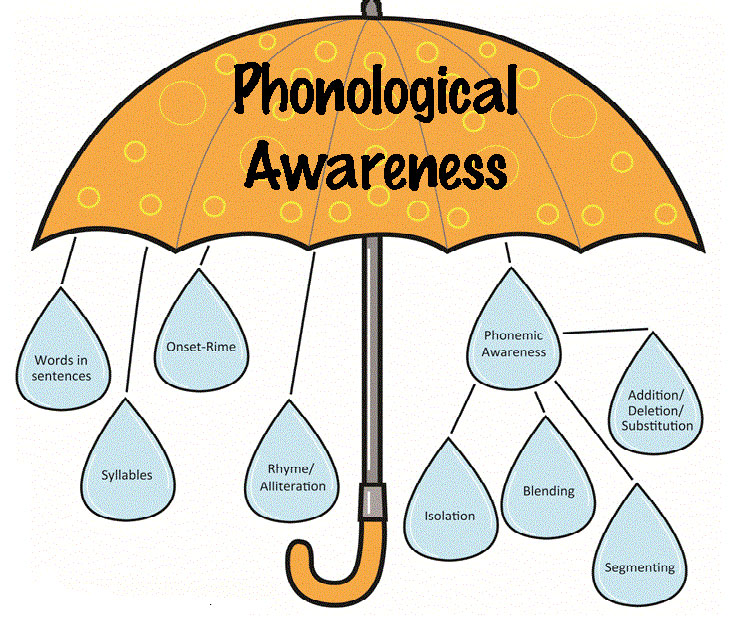
  • Improve phonemic awareness (recognizing sounds in words).
  • Develop vocabulary and comprehension by increasing vocabulary knowledge and practice.
  • Support spelling and written expression
  • Enhance memory and sequencing for language tasks
Phonological awareness:

Dysgraphia is a neurological learning disorder that impairs one’s ability to write clearly, quickly, and in an organized fashion. People living with dysgraphia typically struggle with handwriting, spelling and putting thoughts into written form even though their intelligence and comprehension may remain fully normal.
Dysgraphia affects writing skills primarily, yet speech therapy can be an invaluable asset in improving both language and cognitive capabilities that support written expression.

Speech-Language Pathologists (SLPs) assist individuals suffering from dysgraphia by:

  • Improve sentence structure, grammar and idea organization.
  • Strengthen phonological awareness and spelling accuracy.
  • Develop strategies for communicating ideas more precisely through writing.
  • Coordinate with occupational therapy for developing fine motor skills.

Dysgraphia:

Dysgraphia is a neurological learning disorder that interferes with written expression, making it challenging to write legibly and organize thoughts on paper. Symptoms often include fine motor skill challenges, spelling challenges and hand-eye coordination problems; yet overall intelligence remains unaffected.

A speech therapist may:

  • Strengthen the connection between oral language and written expression by strengthening their connection.
  • Develop your phonological awareness (recognizing sounds in words)
  • Improve grammar, sentence structure and organization
  • Teach strategies for planning and sequencing written ideas.
  • Cooperate with occupational therapists to advance fine-motor writing abilities.

Reading Awareness Skills

What you expect from your speech therapist

Dyslexia / Dysgraphia / Phonological Awareness is a life-long condition; therefore early intervention with multisensory teaching approach and emotional support should be considered the cornerstones of treatment.

As soon as a child is identified with dyslexia, speech therapists can more efficiently provide assistance. With proper guidance and proper teaching strategies using multisensory learning procedures and emotional support provided by counsellors, dyslexic children can often overcome their difficulties considerably and lead a happier life. This approach works in two phases; first is teaching using these procedures while the second involves receiving emotional support.

1. The multi-sensory approach:

The key to helping a dyslexic child is through multi-sensory learning methods. Academic modules need to be broken down into smaller concepts that can be explained using multi-sensory inputs of touch, smell and sound.

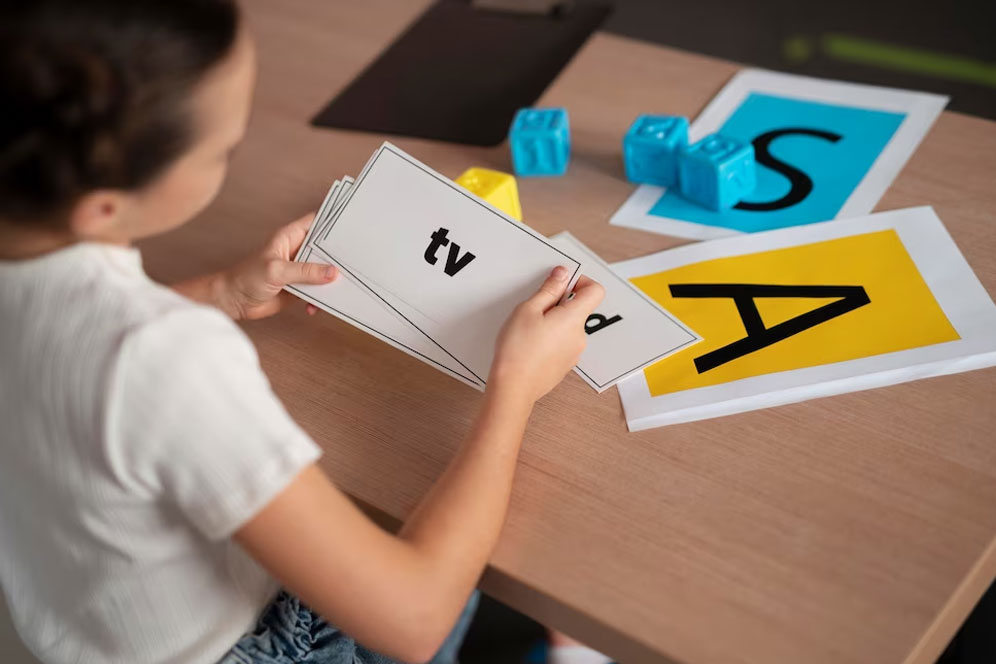
As each letter is learned, children also learn to distinguish the sound of it. In a typical scenario of multi-sensory learning, the teacher may make the sound and the child may be asked to write the letter.

2. Emotional support extended by the Speech Therapist/ Teacher:

Dyslexic children may require the services of a speech therapist in addition to working directly with their classroom instructor, in order to achieve maximum help for them in school and the home environment. With both groups providing aid simultaneously, children will find more help that allows them to keep pace with their classmates.

Note that dyslexia does not indicate an unwillingness or indifference towards learning; rather it indicates a barrier that may require extra assistance in order for people to succeed academically.

3. Assistive Technologies:

Assistive technologies exist that can assist those living with dyslexia to build up their reading, writing, mathematics and organizational abilities. These tools use technology to make learning more accessible and enjoyable.

Psychological therapy:

Parents can provide invaluable support for their children so that they may grow into independent adults with successful careers of their own. Here are some guidelines for the parents- Here is something parents of young children may find useful:

  • Recognize early: To address any difficulties early, recognize any early difficulties your child is experiencing as quickly as possible.
  • Work Together With Your Child’s Teacher: Work closely with both their teacher and counsellor to assess your child’s problem, your role in their lives and ensure he or she receives special treatments according to his/her special abilities. Although your child may seem unique in some respects, help him/her integrate into regular class work and activities at school.
  • Provide organizing skills: Teach your child how to organize his/her room, table, work and time effectively. Showcasing Dyslexic Talents: Dyslexic children often possess special gifts in certain areas
  • Encourage reading: Read aloud to your infant from 6 months on, setting aside reading time as a family activity so he or she can learn by example.

Testimonials: